
A neutral compound
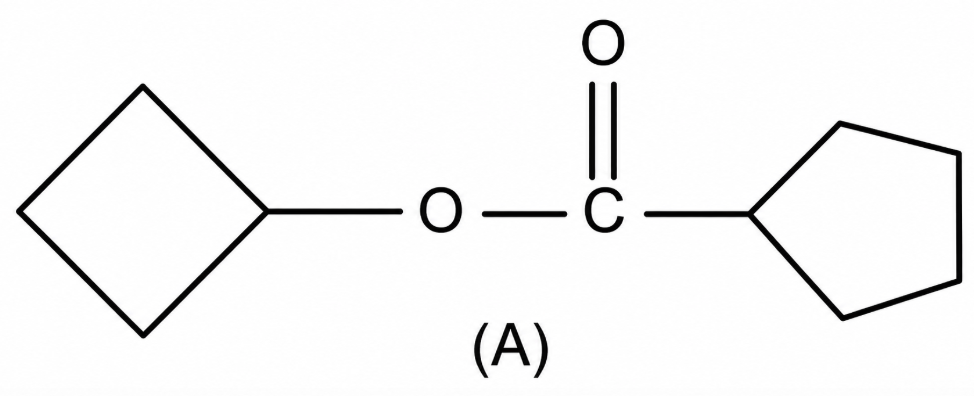
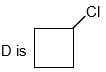
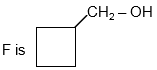
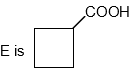
on acid hydrolysis produces two compounds B (C4H8O) and C (C6H10O2). B on treatment with SOCl2 gives D (C4H7Cl) which on further treatment with aqueous solution of KCN followed by hydrolysis of product yielded ‘E’ (C5H8O2). E on reducing with LiAlH4 gives F (C5H10O), which on heating with conc. sulphuric acid solution yields G (C5H8). G on treatment with HCl yields
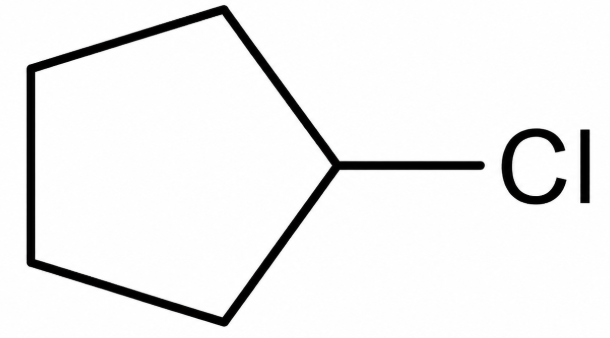
Identify correct options.


Know your College Admission Chances Based on your Rank/Percentile, Category and Home State.
Get your JEE Main Personalised Report with Top Predicted Colleges in JoSA
The compound A is an ester that hydrolyzes to B (C4H8O) and C (C6H10O2). B is an aldehyde, likely butanal, which is converted to acid chloride D, then to cyanide, and hydrolyzed to E, a carboxylic acid (C5H8O2). Reduction of E gives F, an alcohol (C5H10O), which dehydrates with conc. H2SO4 to alkene G (C5H8). G reacts with HCl via Markovnikov addition, forming the product shown. The correct option is the one where HCl adds to the double bond, resulting in a tertiary chloride.
Final Answer: with Cl on tertiary carbon.